Introduction: Why Seal Selection Matters
Hydraulic seals are the unsung heroes of excavator performance. These precision-engineered components prevent fluid leakage, maintain system pressure, and protect internal surfaces from contamination. Yet selecting the wrong seal can lead to premature failure, costly repairs, and significant equipment downtime.
In this comprehensive guide, we'll walk you through the critical factors that determine optimal seal selection — from understanding your cylinder's operating conditions to choosing the right material and profile for maximum service life.
"The most expensive seal is the one that fails prematurely. Investing time in proper selection saves far more than the cost of the seal itself."
Understanding Hydraulic Seal Types
Every hydraulic cylinder contains multiple seal types, each serving a specific function. Understanding their roles is the first step in making the right selection.
Rod Seals
Rod seals are the primary sealing element on the rod (piston rod) side of a hydraulic cylinder. They prevent external leakage of hydraulic fluid as the rod extends and retracts. A failed rod seal is the most visible and common cause of cylinder leakage.
Key considerations: Rod seals must withstand dynamic movement, pressure fluctuations, and exposure to external contaminants like dust, mud, and water that are common in excavator operating environments.
Piston Seals
Piston seals provide the primary seal between the piston and the cylinder bore. They ensure hydraulic pressure is effectively converted into linear force. A worn piston seal leads to internal bypass — fluid passing from one side of the piston to the other — causing cylinder drift and loss of holding force.
Wiper Seals (Dust Seals / Scrapers)
Mounted at the head of the cylinder, wiper seals scrape contaminants from the rod surface as it retracts. In excavator applications where machines operate in dirt, sand, and debris, effective wipers are critical for protecting the entire sealing system.
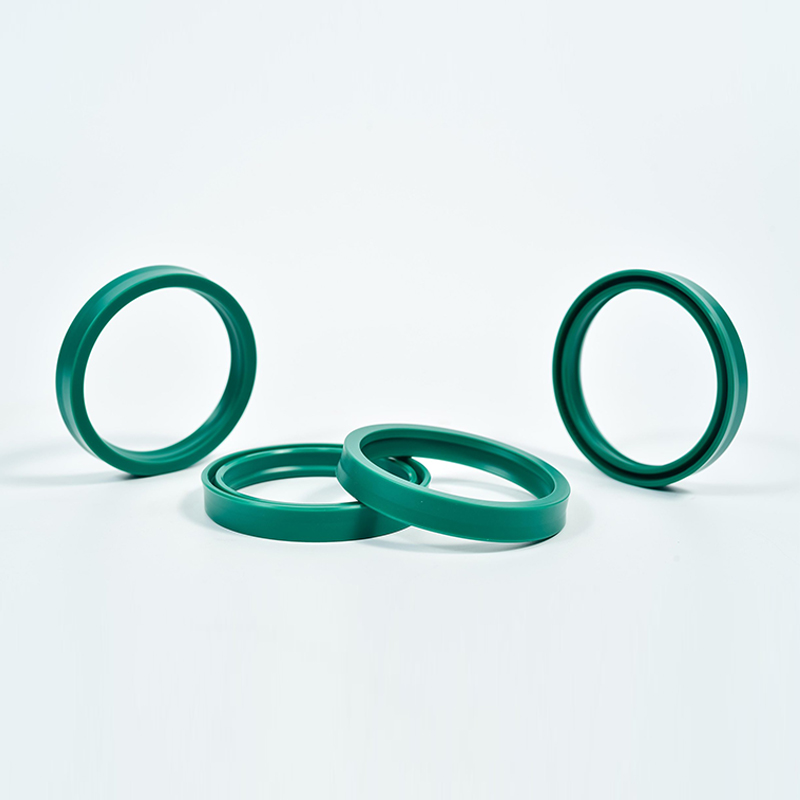
Various hydraulic seal profiles manufactured by JSPSEAL, including rod, piston, and buffer seals.
Buffer Rings
Buffer rings (also called secondary seals or step seals) protect the main rod seal from pressure spikes. They are particularly important in excavator applications where sudden load changes cause hydraulic shock. Without a buffer ring, pressure spikes can distort or damage the primary rod seal.
Wear Rings (Guide Rings)
While not technically seals, wear rings play a vital role in seal performance. They guide the piston and rod, preventing metal-to-metal contact and ensuring even load distribution on the seals. Worn guide rings lead to uneven seal wear and premature failure.
Choosing the Right Seal Material
Material selection is arguably the most critical decision in hydraulic seal specification. Each material offers a unique balance of properties suited to different operating conditions.
| Material | Temp Range | Best For | Limitations |
|---|---|---|---|
| TPU | -40°C to +110°C | High wear, high pressure, dynamic sealing | Limited chemical resistance at high temps |
| NBR | -30°C to +100°C | General hydraulic applications, O-rings | Poor UV and ozone resistance |
| PTFE | -200°C to +260°C | Chemical resistance, low friction, wide temp range | Lower elasticity, requires backup rings |
| FKM | -20°C to +200°C | High temperature, chemical resistance | Higher cost, limited cold flexibility |
| PA (Nylon) | -40°C to +120°C | Backup rings, wear rings, high strength | Not suitable for primary sealing |
Pro Tip: Material Selection
For standard excavator hydraulic cylinders operating in temperate climates, TPU (Thermoplastic Polyurethane) is typically the best all-around choice for rod and piston seals. It offers excellent abrasion resistance, high-pressure capability, and good dynamic performance. For extreme cold environments (below -30°C), consider PTFE-based seals with NBR energizers.
Getting the Dimensions Right
Correct sizing is non-negotiable. Even a fraction of a millimeter off can mean the difference between a reliable seal and one that fails within weeks. Here are the critical dimensions you need:
- Rod Diameter: The outer diameter of the piston rod. Measure with calipers at multiple points to check for wear.
- Bore Diameter: The internal diameter of the cylinder tube. Again, measure at multiple points.
- Groove Dimensions: Width, depth, and corner radii of the seal groove. These must match the seal profile exactly.
- Surface Finish: Rod and bore surface roughness (Ra value) affects seal performance. Typically Ra 0.2–0.4 μm for rods and Ra 0.2–0.4 μm for bores.
Quick Identification: Use OEM Part Numbers
The fastest way to get the right seal kit is by using the OEM part number. JSPSEAL maintains a comprehensive database of aftermarket seal kits matched to OEM part numbers for CAT, Komatsu, Hitachi, Volvo, JCB, Hyundai, and more. Simply provide your part number, and we'll match the exact kit you need.
OEM vs. Aftermarket: Making the Right Choice
One of the most common questions we receive is whether aftermarket seals can match OEM quality. The short answer: yes — when sourced from a reputable manufacturer with proper quality control.
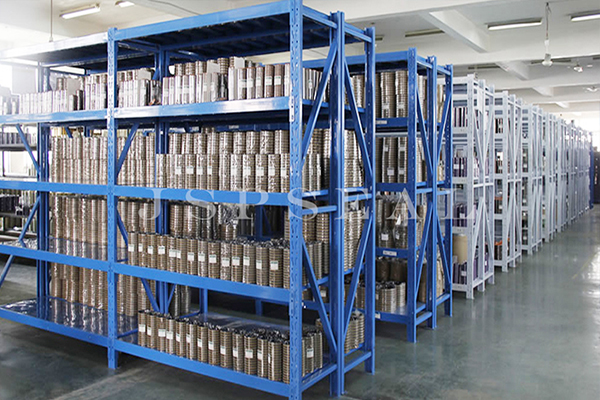
At JSPSEAL, our aftermarket seal kits are engineered to match or exceed OEM specifications. We use imported raw materials from the same suppliers used by major OEM manufacturers, and every kit undergoes dimensional verification and material testing before shipping.
Advantages of JSPSEAL Aftermarket Kits:
- Cost Savings: Typically 40–60% less than OEM pricing without compromising quality
- Same Materials: Premium TPU, PTFE, and FKM from international suppliers
- OEM Part Number Matching: Easy identification and drop-in replacement
- Faster Availability: Large inventory with 5–7 day delivery worldwide
- Complete Kits: All components included — rod seals, piston seals, wipers, O-rings, backup rings
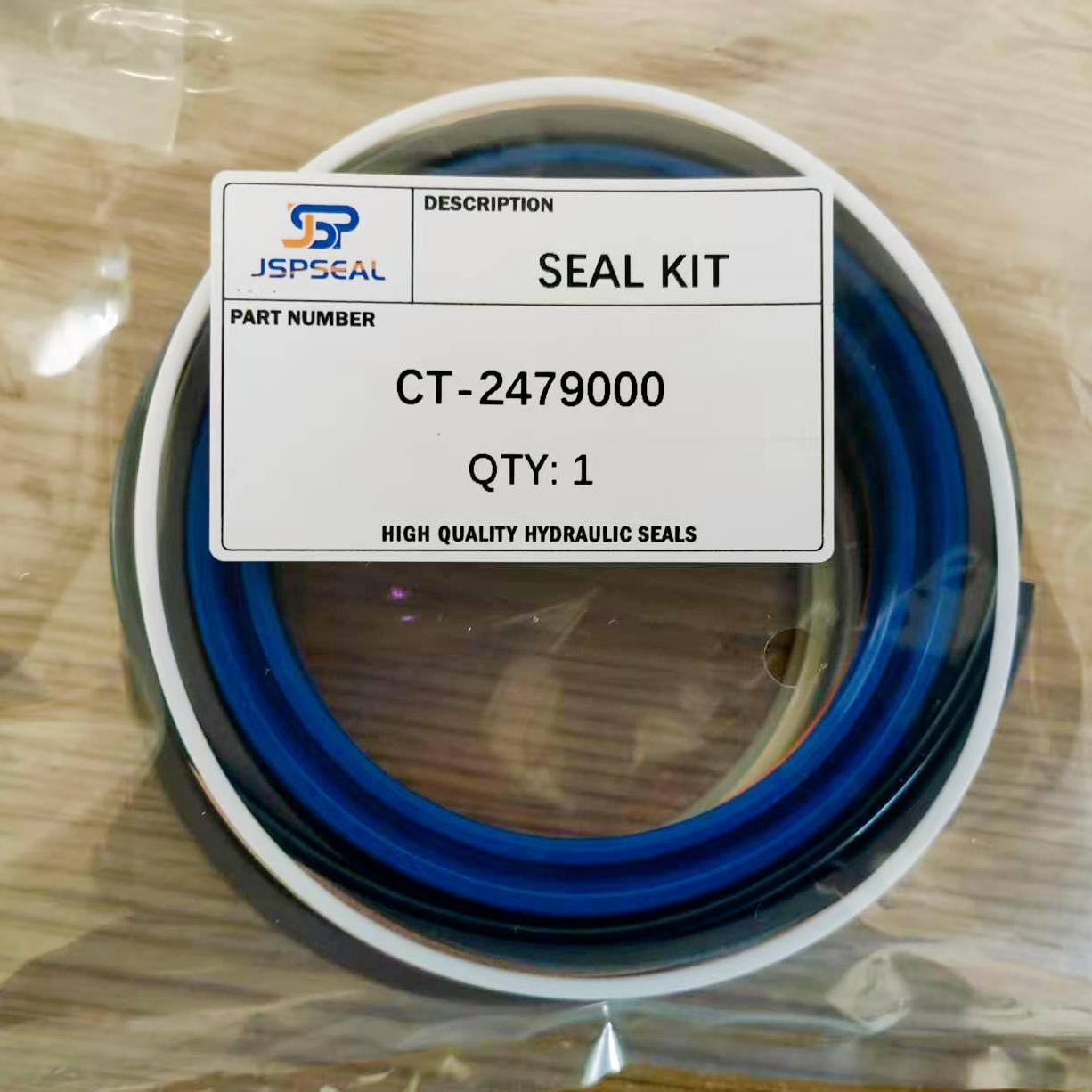
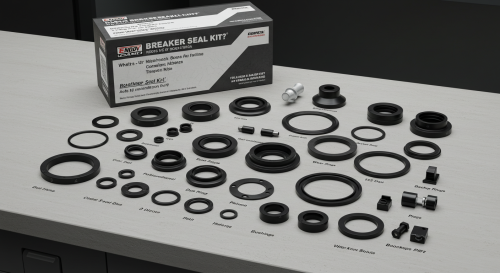
A complete JSPSEAL aftermarket seal kit for CAT E320C excavator, including all cylinder seal components.
Installation Best Practices
Even the best seal will fail if installed incorrectly. Follow these guidelines for maximum seal life:
- Clean Everything: Thoroughly clean all cylinder components, groove surfaces, and the rod before installation. Any debris can damage the seal immediately.
- Lubricate: Apply clean hydraulic oil to all seal surfaces before installation. Never install seals dry.
- Use Proper Tools: Use installation sleeves and mandrels to prevent seal nicking or stretching during assembly. Avoid sharp tools.
- Check Orientation: Many seals are directional — the lip must face the pressure side. Check manufacturer instructions carefully.
- Replace All Seals: When rebuilding a cylinder, always replace the complete seal kit. Mixing old and new seals compromises the entire system.
- Inspect the Cylinder: Before installing new seals, inspect the rod and bore for scoring, pitting, or corrosion. Damaged hardware will destroy new seals quickly.
Conclusion
Selecting the right hydraulic seal for your excavator isn't just about finding a part that fits — it's about understanding the operating conditions, choosing the appropriate material, ensuring dimensional accuracy, and following proper installation procedures.
At JSPSEAL, we've spent over 20 years perfecting aftermarket seal solutions for the world's leading excavator brands. Whether you're maintaining a single machine or managing a fleet, our technical team is ready to help you find the exact sealing solution you need.
Need help selecting the right seal kit? Contact our technical team with your equipment model and OEM part number, and we'll recommend the perfect match.